
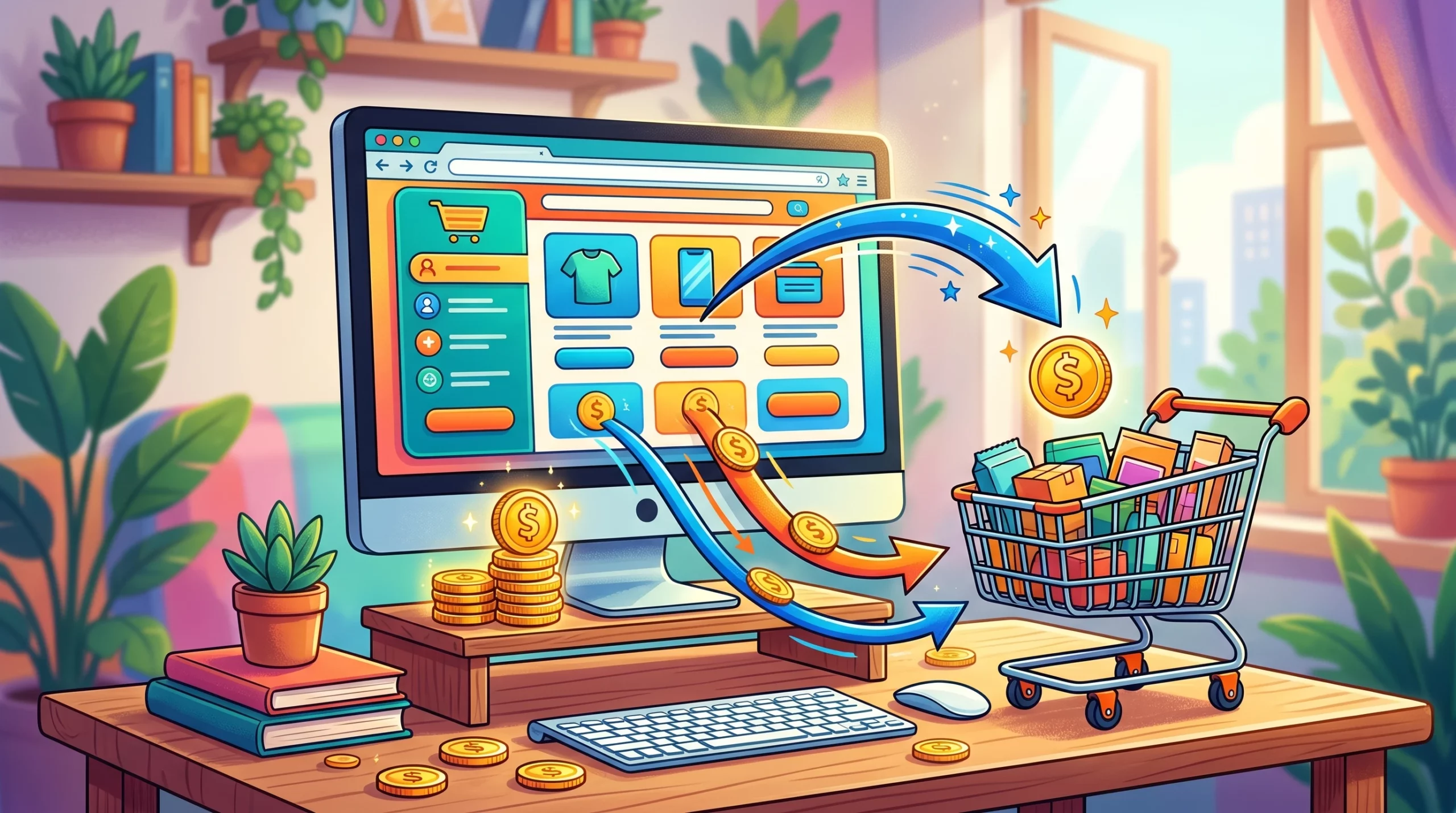
Affiliate marketing is a pretty handy way to earn online without making your own products. In simple terms, it’s about recommending stuff you like or find useful to others, and getting paid when someone buys through your unique link. I’ll walk you through what affiliate marketing is, how it works in practice, and why so many people—from bloggers to big brands—are giving it a try.
What Affiliate Marketing Actually Means
Affiliate marketing is a system where a person or company earns a commission by promoting another company’s products or services. When you sign up for an affiliate program, you get a special link, known as an affiliate link. Share that link, and when someone clicks it and buys something (or sometimes completes another tracked action), you earn a bit of money as a thank-you from the company.
This setup benefits everyone involved. The company gets more exposure and sales, you get paid for each sale or action, and the buyer often stumbles upon handy products they might need. Affiliate marketing is everywhere online. Those product review blogs, YouTube gear breakdowns, and even some Instagram recommendations all fall under this umbrella.
How Affiliate Marketing Works (Step by Step)
The process is pretty straightforward, even if all the talk about tracking and cookies sounds a bit technical at first. Here’s a breakdown of how things usually work in the affiliate world:
- Affiliate joins a program: You sign up with an affiliate network or directly with a brand. Once approved, you’re given your own affiliate dashboard and tracking links.
- Promote products or services: You share your affiliate links on your site, social media, email newsletter, YouTube channel, or anywhere you connect with your audience.
- Tracking purchases: Every time someone clicks your affiliate link, a small tracking script records this action. If that person ends up buying, you get credit for the sale—even if it takes a couple of days (thanks to browser cookies).
- Get paid: Most programs have clear payout rules. Once you reach a certain amount or after a set period, you’ll get your earnings in cash or gift cards, usually through online payment systems like PayPal or direct bank deposit.
All the technical stuff, like tracking and cookie duration, runs in the background. You just find products you genuinely like, share your thoughts, and let your links do the work.
Types of Affiliate Marketing Programs
There are a couple of ways companies run their affiliate marketing, and it’s worth knowing the basics if you’re thinking about jumping in. Each one works a bit differently and suits different types of marketers.
- PayPerSale (PPS): You get paid when someone actually buys a product through your link. This is the most common type. Amazon Associates, for example, mostly operates this way.
- PayPerClick (PPC): You earn a smaller amount every time someone clicks your affiliate link, whether or not they end up buying. This is less common but works for high-traffic blogs.
- PayPerLead (PPL): You earn a commission when someone performs a specific action, like filling out a form, signing up for a free trial, or subscribing to a newsletter. These leads are valuable to companies, so they pay for them.
Some affiliate programs also go for hybrid models, mixing these options to create something that suits different industries and targets.
Getting Started with Affiliate Marketing
Getting into affiliate marketing doesn’t need a ton of money or even your own products. Here’s how you can get up and running in a few basic steps:
- Pick your niche: Focus on a specific interest or topic you already enjoy, whether that’s tech gadgets, home decor, fitness gear, or something more niche like classic board games. Picking a niche that you already know or want to learn about makes it much easier to create helpful content.
- Find affiliate programs: Look for affiliate programs that match your niche. Some brands run their own programs, but you’ll find a ton of options through affiliate networks like ShareASale, CJ Affiliate, or Amazon Associates.
- Set up your platform: You’ll need somewhere to share your links, like a blog, YouTube channel, or social media page. A simple website is a common starting point, but you can be creative here. Podcasts and even newsletters work, too.
- Start promoting and track your progress: Write reviews, record tutorials, or share product roundups using your affiliate links. Most programs give you tools to track clicks, sales, and commissions in real time. Use these to refine your approach and see what’s working best.
Starting is the hardest part, but once you get into a rhythm of creating and sharing content, you’ll get a feel for what resonates with your audience. Stay consistent and adapt based on feedback or questions you get from your readers, watchers, or listeners.
Common Affiliate Marketing Challenges (and Workarounds)
Affiliate marketing is simple in theory, but there are a few stumbling blocks most beginners run into. Knowing about these ahead of time can help you get better results right out of the gate.
- Building trust: Your audience needs to trust your recommendations. Always be honest about your experiences with products and clearly disclose your affiliate relationships. People appreciate transparency, and it builds long-term loyalty.
- Getting enough traffic: It takes some time to attract people to your blog, channel, or social platform. Focus on helpful, high-quality content and basic SEO practices to start building momentum.
- Choosing the right products: Sometimes what you like isn’t what your audience wants or needs. Pay attention to the questions your followers ask or look at which posts get more clicks to figure out what to share.
- Staying updated: Offers, commissions, and program rules can change, so check your affiliate dashboards regularly and stay in touch with your managers at affiliate networks.
Building Trust
People buy from those they trust. I find it’s really important to be authentic and only promote products you can vouch for. Use clear words to mention that you’re using affiliate links, and share real feedback, both good and bad. When you’re open with your audience, they stick around and come back for more recommendations. Don’t be afraid to discuss the downsides of products along with the positives to show that your reviews are balanced.
Getting Traffic
Most affiliate income is tied to how many people visit your site or channel. While it can be slow to start, even steady amounts of traffic can add up. I recommend focusing on content that answers specific questions or solves daily problems for your niche, as this draws in organic visitors from Google and other search engines. Social media, email newsletters, and teaming up with other creators make a big difference, too.
Also, consider learning a bit more about search trends and keywords. Writing posts around what people are actually searching for can boost your traffic over time. Explore using YouTube videos, Instagram stories, and even Pinterest pins, as visual content platforms can amplify your reach far beyond just a simple blog post.
Picking Good Products
The best results come when you share products that line up with what your audience already cares about. You can use surveys, read through your comment section, or even check in with your audience directly. Testing out new gear or services yourself means your recommendations are based on real experience, which always goes further than just copying specs from a shop page.
If you ever feel unsure about what products your followers might want, try analyzing the most popular posts on your blog or social media. Pay close attention to what people ask about in comments or emails. Feedback and questions are a goldmine for future content and product picks.
Handy Tips for Affiliate Marketing Success
There’s no magic formula, but a few habits and strategies can really bump up the impact of your affiliate marketing:
Focus on value: Create content that helps people solve problems, learn something new, or make better choices. Whether that’s a howto guide or a comparison of products, useful content works much better than just dropping links.
Switch things up with your affiliate programs: Relying on one company is risky. Join a few different programs so your income doesn’t sink if a partner makes changes to their terms or shuts down a program.
Always highlight your personal experiences: Share your perspective: why you picked a certain product, how you use it, any downsides you noticed. These firsthand stories connect more than generic copy.
Try a mix of content: Product review articles, roundup lists, comparison guides, and practical tutorials all bring in different types of readers and buyers—giving you more ways to connect with your audience.
Keep learning about SEO: Even basic search engine optimization goes a long way for blogs and websites. Target keywords your potential buyers use, add clear headings, write helpful alt text, and use internal links to keep people exploring your site.
Stay up to date: Affiliate offers and program rules can change over time. Make it a habit to check your dashboard and emails for updates so you never miss new promotions or important requirements.
Build your email list: Creating an email list helps you reach your audience directly, bypassing any social media algorithm changes. Share exclusive offers, helpful tips, and product updates with your subscribers.
Where Do You Find Good Affiliate Programs?
Finding trustworthy affiliate programs is pretty easy once you know where to look. Here are a few go-to options:
- Amazon Associates: Well known for its huge product range and reliable tracking. Good for beginners, though commissions are lower than some direct programs.
- ShareASale, CJ Affiliate, and Rakuten: These networks bring together thousands of affiliate programs, from small indie brands to major stores. With a single account, you can apply for a bunch of programs at once.
- Direct affiliate programs: Sometimes, brands run their own inhouse affiliate programs. These can offer higher commissions and exclusive perks. Just check the footer or affiliate page on their official website.
In addition, look for programs related to digital goods, travel, finance, and even mobile apps. These sectors tend to offer both recurring commissions and higher payouts for dedicated affiliates.
RealWorld Examples of Affiliate Marketing
Affiliate marketing is all over the web, from blogs to YouTube to podcasts. For example, I sometimes review gear I use for creating content—microphones, web tools, or even books—and include an affiliate link to the retailer. If someone clicks and buys, I see a little commission pop up in my dashboard. Amazon is great for gadget reviews, while networks like ShareASale and CJ Affiliate are handy for digital products, web hosting, and even online courses.
Some people build entire businesses around affiliate marketing. Niche sites that focus on a single product category, like running shoes or smarthome gear, compare options, answer buyer questions, and earn commissions for directing shoppers to reputable stores.
You’ll also notice affiliate links in popular finance blogs, cooking websites, and newsletter roundups. Wherever there’s a recommendation or product mention, there’s often an affiliate marketing opportunity behind it.
Frequently Asked Questions
People who are curious about affiliate marketing usually have some of these questions in mind:
Question: Do I need a website to get started with affiliate marketing?
Answer: While having a website or blog is common, you can also promote links via YouTube, social media channels, podcasts, or even email newsletters. The key is having an audience that trusts your recommendations.
Question: How much money can I realistically make with affiliate marketing?
Answer: It really depends on your audience size, the niche you pick, and how persistent you are. Some beginners earn just a little extra spending money, while others turn it into a full-time gig. Building up steady income usually takes a few months at minimum.
Question: Are there any rules or legal stuff I should know?
Answer: Yes! The Federal Trade Commission (FTC) in the US and similar regulators in other countries require you to disclose affiliate relationships. Add a short disclaimer (like “I may earn a commission through some links on this page”) to keep things transparent. Also, read the terms and policies of each affiliate program so you stay within their rules.
Final Thoughts
Affiliate marketing can be a fun and sometimes profitable way to share useful products and great finds with people who trust you online. Like anything else, it works best when you focus on value, build real trust, and stay willing to keep learning. Take your time, keep things authentic, and you might be surprised at what you can build with a few good recommendations and a growing community.